
By Tarcizio Mondwe
Grace Kwacha cannot remember exactly when she first noticed that something was different. There was no pain to alarm her, no wound to cause concern and no lump that immediately suggested danger.
It began with a faint, unusual sensation in her right breast and a light-coloured patch that appeared without explanation. Like many women, she dismissed it as an ordinary change that comes with age.
That decision could easily have cost her life.
Today, the Ndirande resident and Health Surveillance Assistant (HSA) at Gateway Clinic tells her story not as a victim of breast cancer, but as a survivor determined to convince other women that recognising the body’s warning signs and seeking medical attention early can make the difference between life and death.
“I did not know what was going on. I did not know that what was happening to me was cancer,” Kwacha recalls.
For several months, she continued with her daily routine, believing the changes would eventually disappear. Without pain or obvious illness, there seemed little reason to worry.
It was only after repeatedly hearing breast cancer awareness messages through the media, reinforced by encouragement from friends, that she decided to visit Gateway Clinic. Health workers examined her and referred her for further investigations.
An initial diagnosis at Mwaiwathu Private Hospital was later confirmed by specialists at Queen Elizabeth Central Hospital (QECH) in August last year.
The news was overwhelming.
 Doctors explained that breast cancer required immediate treatment and urged her to follow medical advice carefully.
Determined to fight the disease, she began eight months of chemotherapy, travelling to hospital every month for treatment.
While chemotherapy is often associated with fear and uncertainty, Kwacha says accepting the diagnosis from the outset gave her the strength to face what lay ahead.
“My chemotherapy journey was not difficult because I accepted my condition first. Once I accepted that I needed treatment, I followed everything the doctors told me,” she says.
When chemotherapy ended, doctors delivered another difficult message. To prevent the disease from spreading further, the affected breast had to be removed.
The recommendation was emotionally painful, but for Kwacha the choice was clear.
“I accepted because I wanted to live. The operation was done on April 15 this year and it was successful,” she says.
Looking back, she believes fear remains one of the greatest obstacles preventing many women from receiving timely treatment.
Too often, she says, people associate cancer with certain death, leading them to delay seeking medical care until the disease has progressed.
“People think cancer cannot be treated, but that is not true. I am alive today because I accepted treatment early and listened to the doctors,” she reflects.
Her experience has transformed her into an advocate for early detection, using her own journey to encourage women to become familiar with their bodies and seek medical help whenever they notice unusual changes.
“Women must trust health workers and seek medical help instead of relying on myths or delaying treatment,” she appeals.
Although chemotherapy was provided free of charge at a public hospital, Kwacha says access to some cancer medicines remains difficult, forcing some patients to buy expensive drugs from private pharmacies.
She also believes patients benefit when health workers provide prompt support and guidance from the moment breast cancer is suspected.
“When doctors suspect breast cancer, they should help women quickly and give them the care they deserve. Early treatment can save lives,” she says.
Kwacha’s experience mirrors a broader public health challenge confronting Malawi, where many women still arrive at health facilities only after breast cancer has reached an advanced stage.
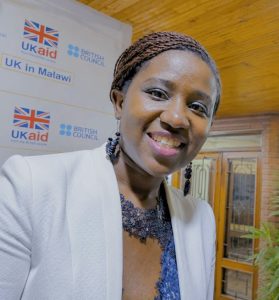 Medical Doctor at Blantyre District Health Office (DHO) Hawa Mtitimila says misconceptions about breast cancer continue to delay diagnosis and treatment.
She says the district, working with the Akazi Project, has expanded breast cancer screening services by training health workers and strengthening awareness campaigns within communities.
“Since the programme began in 2023, more than 3,000 women have been screened for breast cancer in Blantyre. About 200 received treatment at primary health facilities, while 50 were referred to Queen Elizabeth Central Hospital for specialised care,” Mtitimila says.
She believes sustained community education is helping more women recognise the warning signs and understand that breast cancer is treatable when detected early.
“Continuous awareness campaigns will enable people to recognise the signs and symptoms early and know where they can seek medical assistance,” she says.
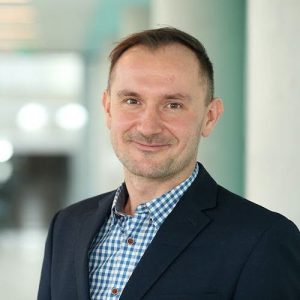
For Kuba Gajewski of the Royal College of Surgeons in Ireland, working through the Akazi Project, awareness remains one of the strongest weapons against the disease.
He says outreach programmes delivered through traditional leaders and community structures have reached hundreds of thousands of people, although some communities continue to associate breast abnormalities with cultural beliefs instead of seeking medical attention.
“The goal has been to help communities understand that breast cancer is treatable and that people should seek medical care as soon as symptoms appear,” Gajewski says.
At Queen Elizabeth Central Hospital, General Surgeon Palesa Chisala sees the consequences of delayed diagnosis almost every day.
The hospital receives about 150 breast cancer patients annually for chemotherapy, but many arrive when treatment options have become increasingly limited.
“We see many patients coming late, and by then the treatment options become limited. Early diagnosis gives women a much better chance of surviving,” Chisala says.
 She adds that many women ignore early symptoms because they are painless or appear insignificant, only seeking medical attention after the disease has progressed.
Yet, she stresses, breast cancer remains among the cancers that respond well to treatment when detected early.
For Kwacha, surviving breast cancer has given ordinary moments of extraordinary meaning.
The woman who once overlooked subtle changes in her body now speaks openly about them, hoping her experience will persuade others not to make the same mistake.
Her message is simple but powerful: know your body, never ignore unusual changes and seek medical attention without delay.
Because, as her own story shows, sometimes the smallest change can change everything.
