
By Dr Charles Leyman Kachitsa
Those who don’t know have no worry of anything. There are people in this world who live oblivious of any things that would worry an average urban oriented person. In remote areas where people have not seen a lot of the modern gadgets that we see in urban areas, they have no need to worry about modern equipment as they do not know their existence anyway.
Development of a nation depends on that which its people know. It is therefore knowledge that elevate nations to higher heights where the impossible become possible. On an individual level, it is the same that those persons who have knowledge are elevated to higher status. It also means that those with lower knowledge may find that their place is lower down the social status.
In all situations as the above, what matters is the fulfilment in life and happiness. In any case life is such that those who appear to know nothing are more happy than those who have a lot of things they know causing them worry as to whether their extent of knowledge is deep enough or not. Some worry about losing that which they know gives them their livelihood. There is only but one knowledge that has assurance of a fulfilled life and this does not depend on knowing that which we know is earthly yet hidden to us.
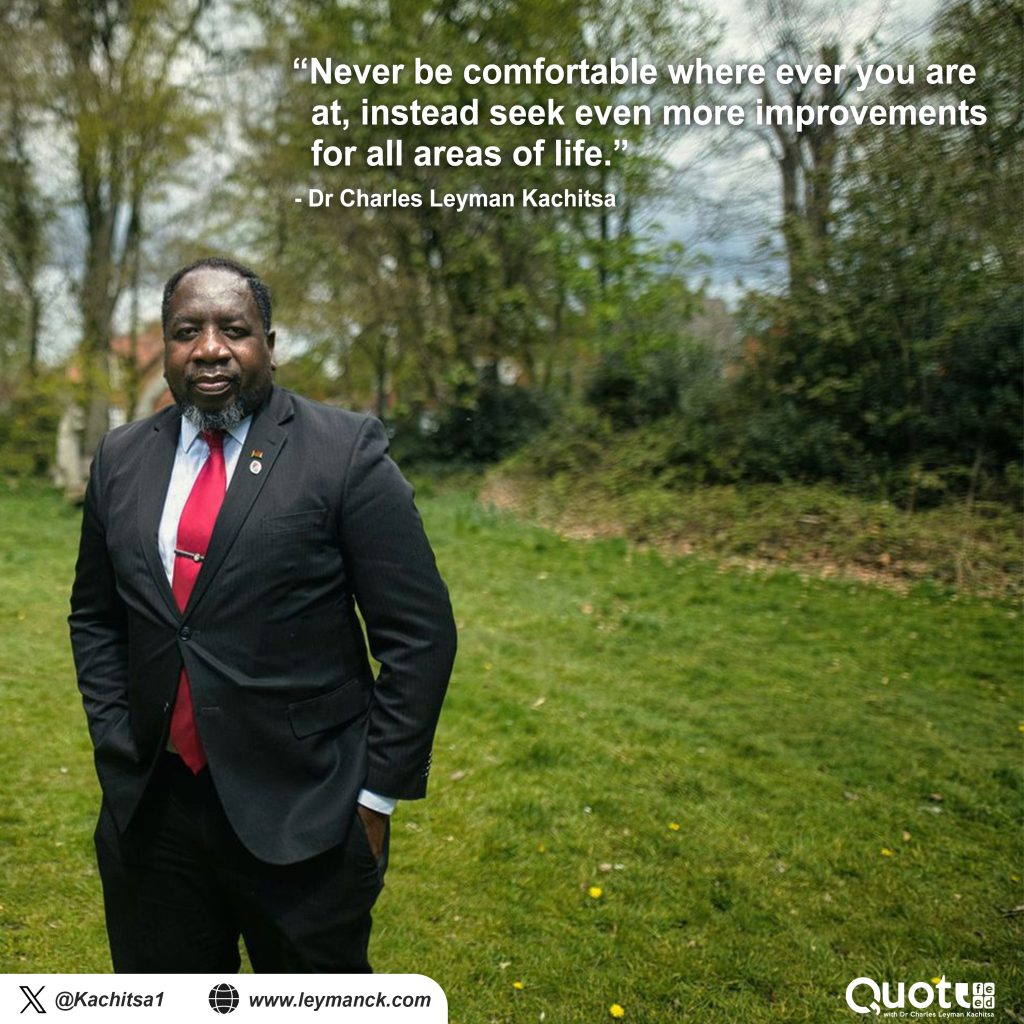
The quotes this week are a continuation of extraction from a book that give tips on how leaders can maximise use of their brains in pursuit of excellence as they craft plans for the enjoyment of their followers. I am sure the selected few quotations listed below from this book will enlighten you to one or two life lessons, read and enjoy:
NEUROSCIENCE FOR LEADERSHIP by Tara Swart, Kitty Chisholm and Paul Brown
“Although humans are capable of transmitting ideas and adopting innovations faster than any other species, the human brain is still shaped by evolutionary development that adapts structures rather than destroying them to build new ones. Tomorrow looks uncertain and risky and hence the brain reacts as if the future is a physical threat. The ambiguity inherent in decisions about the future can lead to ‘safe’ decisions, or, more worryingly, delay them. Creativity is constrained by fear of uncertainty.”
“Responding to dangerous events is a great example of how our brain is still defined by what it did to protect us when we were cave people – these days we would more likely refer to dealing with something technically or socially difficult rather than physically life-threatening.”
“People who are influenced so that they feel more in control of their role, more engaged with their own organization, who feel they are contributing to the wellbeing of others in their community and society are more likely to be self-motivated, loyal, productive, creative and healthy. They are more likely to be open to feedback, to seek learning opportunities and to be on a journey of personal development.”
“Our brains have an unfortunate tendency to seek out negative memories and sense danger where there is none once it perceives it is under threat. Consciously we need to continuously monitor our thoughts, quickly add or remove the things we need to remember, supersede the sorts of impulsive responses we become hijacked by from certain triggers (know what they are) and have the flexibility to switch between different tasks or mental states. If you would like to be able to more dynamically co-ordinate your cognitive resources in the pursuit of personal and organizational leadership ……..”
