
By Dr Charles Leyman Kachitsa
When does a lie become a lie? It may be when the secret is out. But it has to be always a lie to the originator for how can one lie without intending it to be a lie. Some lies as you will discover in exceptional circumstances, are life saving. Where a life is under threat and that a lie would save the situation, the noble thing is to do it, not as a habit but for that one occasion.
The big lie has been told for centuries and yet no one has discovered it. Some people have taken it upon themselves to make the trip going round and round only to discover and re-confirm that the world is round. Every trip taken starts and ends on the same spot as it was in the beginning, so shall it be in the end. If there was an audience cheering the traveller on the trip, they would shout to the excitement of all to finish the sentence saying, ‘a world without end’.
The lie can take many postures such as a lie that you are unfit when all indications and measuring equipment tells otherwise a different positive story. Others might lie that it happened when it did not. Yet the so very shallow minded might want to associate you with most of the dark things so predominantly darker in their own minds. Now that you know, you ought to be a brave warrior. Not to tell a lie!
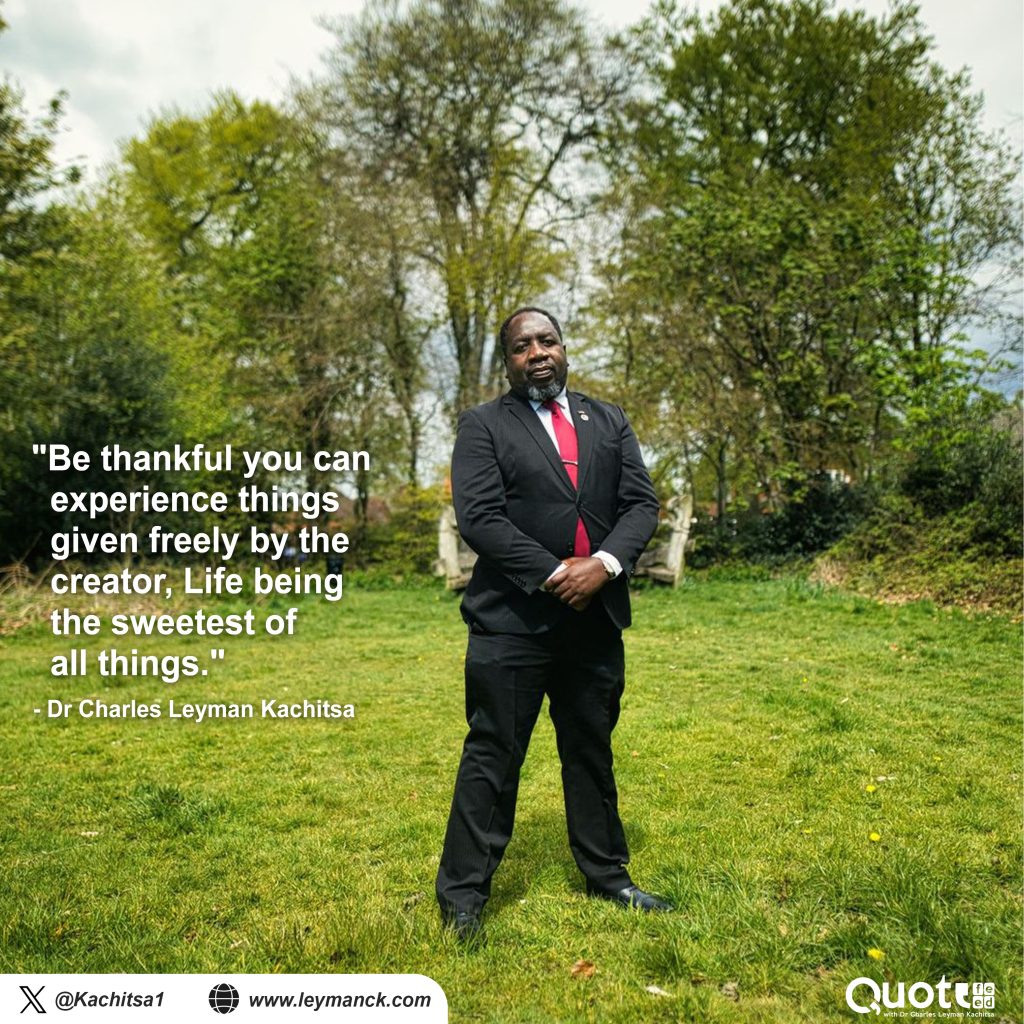
The quotes for this week are a final extraction from a book rich in narratives about the first formation of foreign influenced governments that later were taken over by natives in the mentioned countries and others around. I am sure the few chosen quotations listed below from the book will enlighten you to one or two life lessons. Read and enjoy:
AN INTRODUCTION TO THE HISTORY OF CENTRAL AFRICA – ZAMBIA, MALAWI, AND ZIMBABWE by A.J. Wills
“The months coming after the Tiger debacle indeed witnessed a progressive backstepping by Britain from the untenable position. Following a visit by Lord Alport, a former federal High Commissioner, to Salisbury in June 1967, Wilson told the House of Commons that ‘we fully reserve our position’ on NIBMAR. Edward Heath told the Tory party conference in October that Britain had blundered and misjudged. There had been ‘a fundamental psychological misunderstanding of the nature of the Rhodesian people, both European and African’. By an overwhelming majority the conference voted for a settlement without insisting on a return to legality. The Labour party conference was more reserved, but in November Wilson sent George Thompson to Salisbury. ……”
“The immediate objective of non-alignment, of humanism and of the one-party state was the avoidance of these extremes, and the cultivation of the new kind of nationalism that was emerging in Zambia, as elsewhere in Africa. This went beyond the old African nationalism, largely race-oriented, which struggled against colonial control, to the new spirit which sought against all the forces of urban distortion and communal separation, to give full scope to the African personality, to create a motion where there was none before, and to train its people in the enthusiasms and compromises, the loyalties and restraints, which the functioning of democracy of whatever kind requires.”
“There were to prove five years of extraordinary difficulty for Zambia. On the domestic front the challenge was the need to reduce the ever-widening urban-rural divide by promoting agricultural and other development in the rural area. In pursuing this paramount objective while continuing to promote the growth of secondary industry, roads and the public services, the government was to be continually hindered by the effects of strife beyond its borders, and also by the onset of depression in world trade following the oil price rise of 1973, a depression which brought a fall in the price of copper deeper in real terms and more prolonged than that of 1971…….”
“The third line in this triangle of stress rested upon the attitude of white Zimbabweans to the new order of things. While the larger companies and undertakings quickly discovered respect for the Prime Minister’s leadership as well as approval of his restraint, clerical and skilled workers as well as some farmers grew disillusioned by the level of lawlessness and worried about future political trends. The government on its side had suspicions of the right-wing subversion and of conspiracy with the South African authorities. The destruction by sabotage of twelve fighter aircraft of the Zimbabwean Air Force in July 1982 brought the immediate arrest of five high-ranking Z.A.F. officers, and by the end of the year fourteen whites were being held in detention without trial. ‘Reconciliation’, once the theme word in public statements, was now rarely heard. ……”
