
By Dr Charles Leyman Kachitsa
Another year entered calls for another set of goals to be instituted at the very start as we restart counting down the days. The goals may be a repeat of last year’s or from previous years. Some repeats are for those goals that were unfulfilled last season for one reason or another. Yet there will be other goals that would be totally new, new to you but not necessarily new to the world as other people may have already gone on and achieved such goals successfully.
Everyone starts the year with a sense of purpose to fulfil all that there is to be had no matter the circumstance one finds themselves in. It is purpose that drives human life, the purpose that we have been given by the creator. Primarily this is in sustaining life itself for self and others in your care. Bur purpose will be meaningless without hope. And hope is central to the achievement of ones purpose on earth. We need it to propel us into action. We need to agree that there is hope, and we agree this from the very start. The very start of the year.
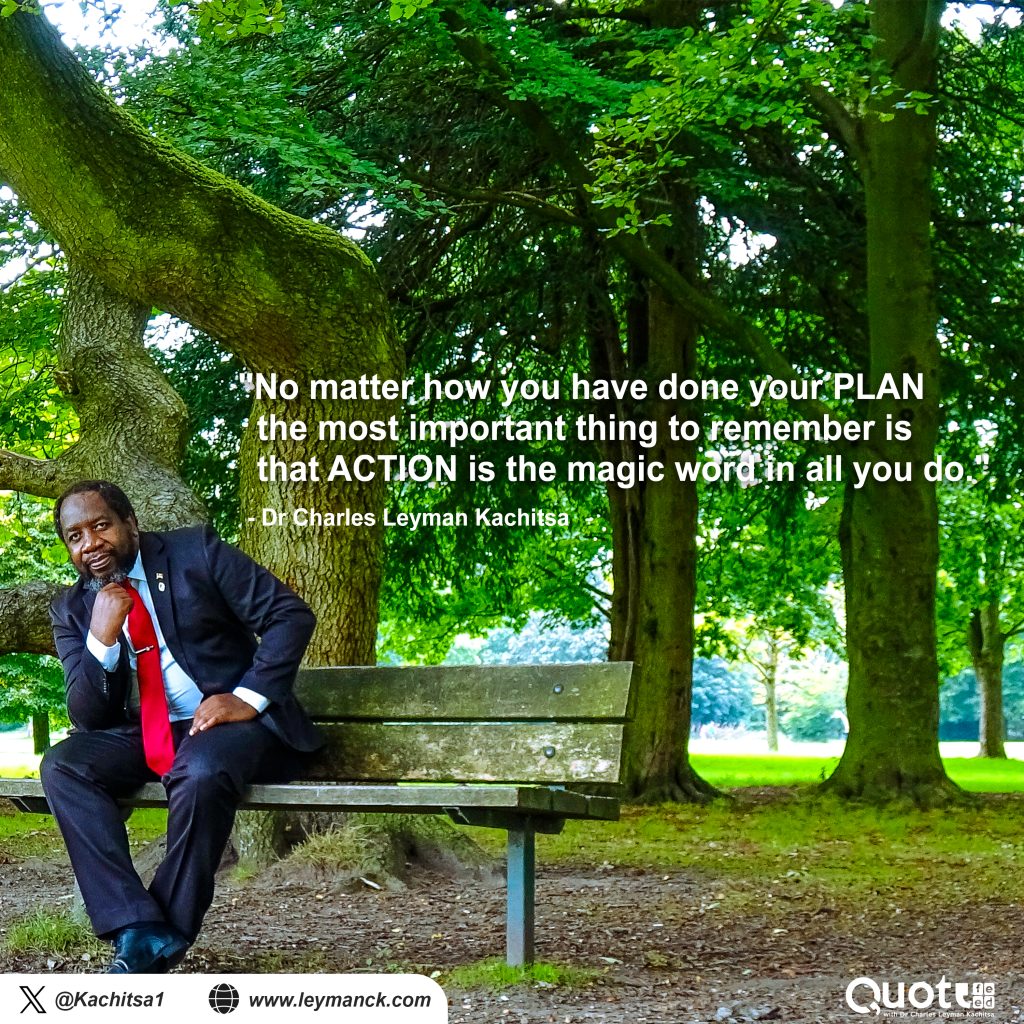
The quotes this week are an extraction from a book that relates self contentment as a sum of happiness. Life full of happiness leads to true contentment. I am sure that the few selected quotations listed below from the book will enlighten you to one or two life lessons. Read and enjoy:
THE HAPPINESS SECRET – FINDING TRUE CONTENTMENT by J. John
“A recent BBC poll asked whether the government’s prime objective should be the ‘greatest happiness or the ‘greatest wealth’. A remarkable 81 per cent of those interviewed wanted happiness as the goal. The ‘pursuit of happiness’ having made it into the United States Declaration of Independence (along with ‘life’ and ‘liberty’) as one of the ‘unalienable rights’ of humankind, happiness is now globally considered to be a key element of any life worth living.”
“How can we best comfort other people, though! We need to recognise that people respond differently to grief and some take longer than others to recover. We need to recognise that people are not immature or weak if they need more time to work through the grieving process — cheery comments might actually make matters worse. Rationalising suffering might be just as bad, and mourning should certainly never prompt us to defend God. A friend told me how his boss at work suddenly confronted him. She blurted out that a colleague’s young daughter had just died and then, amid tears demanded, ‘And where’s your God in that? As my friend fortunately realised, the very last thing that she (or the family) required at that moment was a theological justification. What was needed was sympathy, shared grief and prayer for comfort. —— Above all, when we share in other people’s mourning and comfort them, we should be confident of God’s justice, and His promise to all who accept His word and ask Jesus into their lives.”
“Take a second or two to think what images the word blessing conjures up for you. The happy laughter of family and friends? A warm beach and the sound of waves breaking? Fine food and good music? An endless vista of trees and sunlit fields? You can sense how happiness is related to this concept of being blessed and the great thing is this: unlike happiness, blessing can be sought and found. When it’s discovered, it brings life-enhancing peace and happiness and an overflowing, awesome sense of joy.”
“Some people think the odd phrase ‘poor in spirit’ could refer not to spiritual poverty but to real-world financial poverty. According to this view it is the oppressed —- those without wealth —– who are blessed. Actually, I disagree with this interpretation, although being materially poor may enable people to be more receptive to God. And this would describe the material condition of Matthew’s readers both in economically depressed Galilee, and after the destruction of Jerusalem. ……… I think the best meaning of the statement ‘Blessed are the poor in spirit’ is that those who find blessing (and ultimately happiness are those who recognise that they are spiritually bankrupt. This meaning relates to the first and second of the possible interpretation given above. In other words, the people who are blessed are the ones who have recognised that they are wholly dependent on God. The poor are those who, for whatever reason, recognise their dire need of the grace of God.”
