
By Dr Charles Leyman Kachitsa
The saying that charity begins at home is proven time and again without doubt. For instance learning to navigate family politics especially where there are more than one or two siblings is an art which must not be discounted. It informs ones latitude later in the world including even as a child in play and school. The new born in the family quickly realises that there are patterns of behaviour including communication primarily observed from the parent (s) and extensively with those around including siblings.
Family life is without the nuisances that predominate society such alliances, favouritism, patterns in decision making, financial management and generally economics; choices and management of resources. in most siblings where there are more than three would most likely have some dual alliances and favouritism especially if the parents are not enlightened and therefore clearly show liking to one or two of their children at the expense of the others.
The decision patterns for the children in most families are carried on to adulthood. Interestingly, in most families when a meeting is being held and there is critical decision to be made, the process is normally withheld until the sibling known to have the most money than the others is present. Everything is put on hold until they arrive or they declare that they are not coming but proceedings can go ahead. It does not matter whether the sibling is the youngest or the middle one. The practices is evident in most cultures globally. Money talks, it does not matter where.
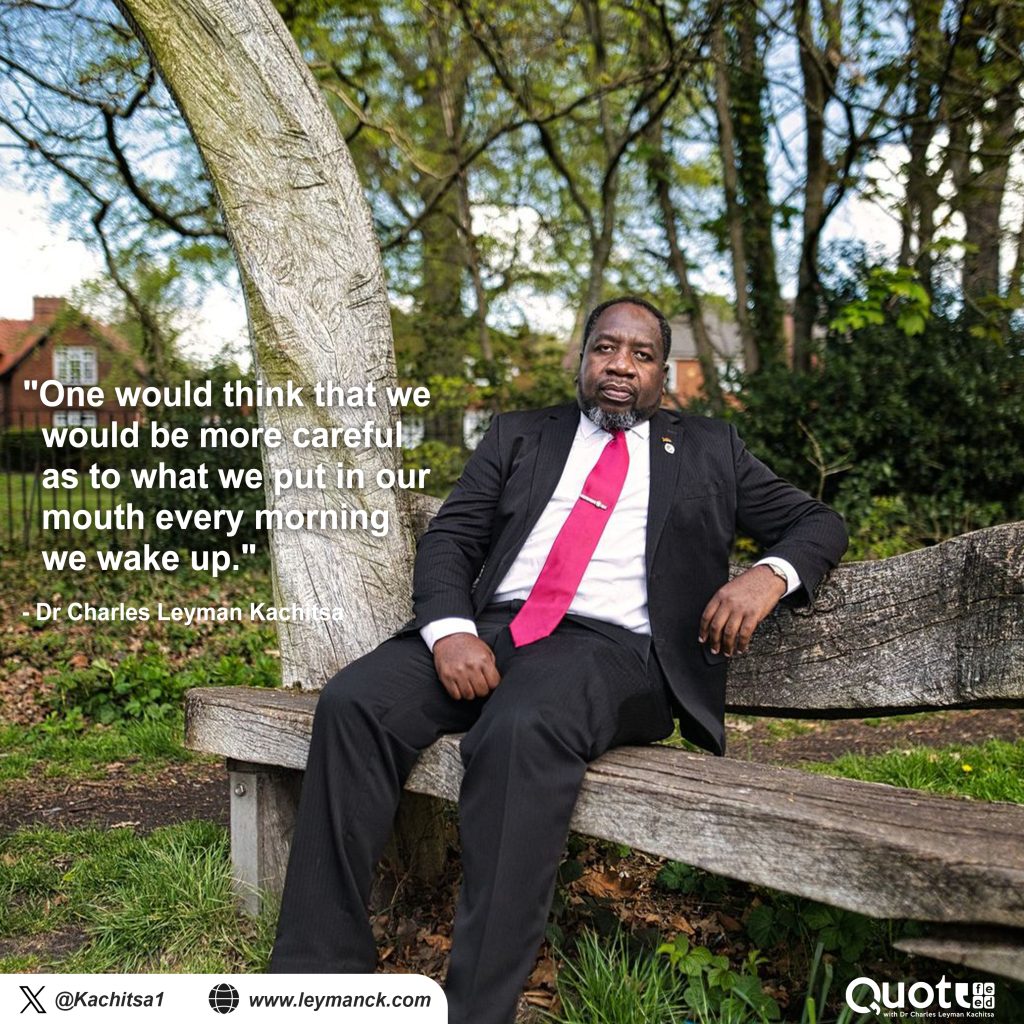
The quotes this week are a continuation extraction from the book that defines the worldview by going deep to look at today’s contemporary issues and try to advance the most how people should live a fulfilling life. I am sure the few selected quotations listed below from this book will enlighten you to one or two life lessons, read and enjoy:
KINGDOM COME by Malcolm Duncan
“What is postmodernism? It is the rebellion against modernity with all of its assurances and emphasis on the physical, the here and the now. Postmodernity recognises that life cannot be simplified into its component parts. Instead, it celebrates the complexity of life and the fact that you cannot simply describe life, communities or society in terms of the physical, the here and now. Postmodernity recognises that there are imponderable aspects to life, that there is more to the world than the here and now and that no one has all the answers. It injects a lost sense of wonder and searching into the world and opens up possibility of something other than that which we can see, or hear or touch. In fact, if the motto of the modern period was ‘I think, therefore I am., then the motto of the postmodern period would probably be something like ‘I experience, therefore I am., or ‘I encounter, therefore I am’.”
“Faced with all these challenges, how might Christians respond to the challenges of postmodernism? The people in our local communities may not realise how much their thinking has been formed by postmodernism, so encountering their worldview without being patronising toward them is very important. If we have a handle on why the community and society around us behaves as it does, though, at least we can begin to frame our responses intelligently and holistically.”
“There is no doubt that the rise of fundamentalism with the attendant radicalisation has given power and credence to the arguments of humanists and secularists who want to see religion denied the right to a voice in the public square or have have any place in delivery of services like welfare, education or housing. ——– We should be very ashamed and embarrassed by the level of pain and hatred generated by fundamentalism across the world. Even so, spirituality, faith and religion will always have a part to play in the public life of our nation and in the local community – for we cannot help being spiritual beings.”
“Living in a globalised world makes us aware, paradoxically, of how very big, and how very small, the world is. This paradox is experienced across a spectrum of events. The collapse of the Asian financial markets in 1997, for example, triggered an economic downturn across the world. Within days of the crisis hitting the markets in Asia, the markets in New York and London were reacting strongly. The range and fluctuation of commodities markets such as wheat, coffee, grain, cocoa and oil also highlighted the extent of the connections between nation states. …….”
