
By Dr Charles Leyman Kachitsa
There is some instances where meaning has no meaning. Most people in the world today are stuck on one place trying to find that which has meaning in order to move to the next step. Yet there are others who are not confined to one place but are wandering aimlessly all around including some travelling to far off lands trying to find that which will give them meaning.
In agony and without any hope, people try to get whatever they can hold their hands on to, anything that will give them even just a driplets of meaning. Social media has made it worst in most cases as there are people without anything to do who post things. Such posts at first glance appear grandeur full of solutions to those without any hope, believing has the meaning that they are yearning for. Without hope anything that passes with a resemblance of having meaning look like a treasure to be chanced upon.
Visibly there is a shift in the world where now people have began to question themselves and their ways of life. The anecdote of being emotionally intelligent simply means questioning oneself and more importantly taping the intentions in ones on thoughts. Thinking is the ‘forebearer’ of anything material you see in this world. We have meanings because we think. We think rightly because we have the keys to meaning. Therefore what one needs is finding the meaning.
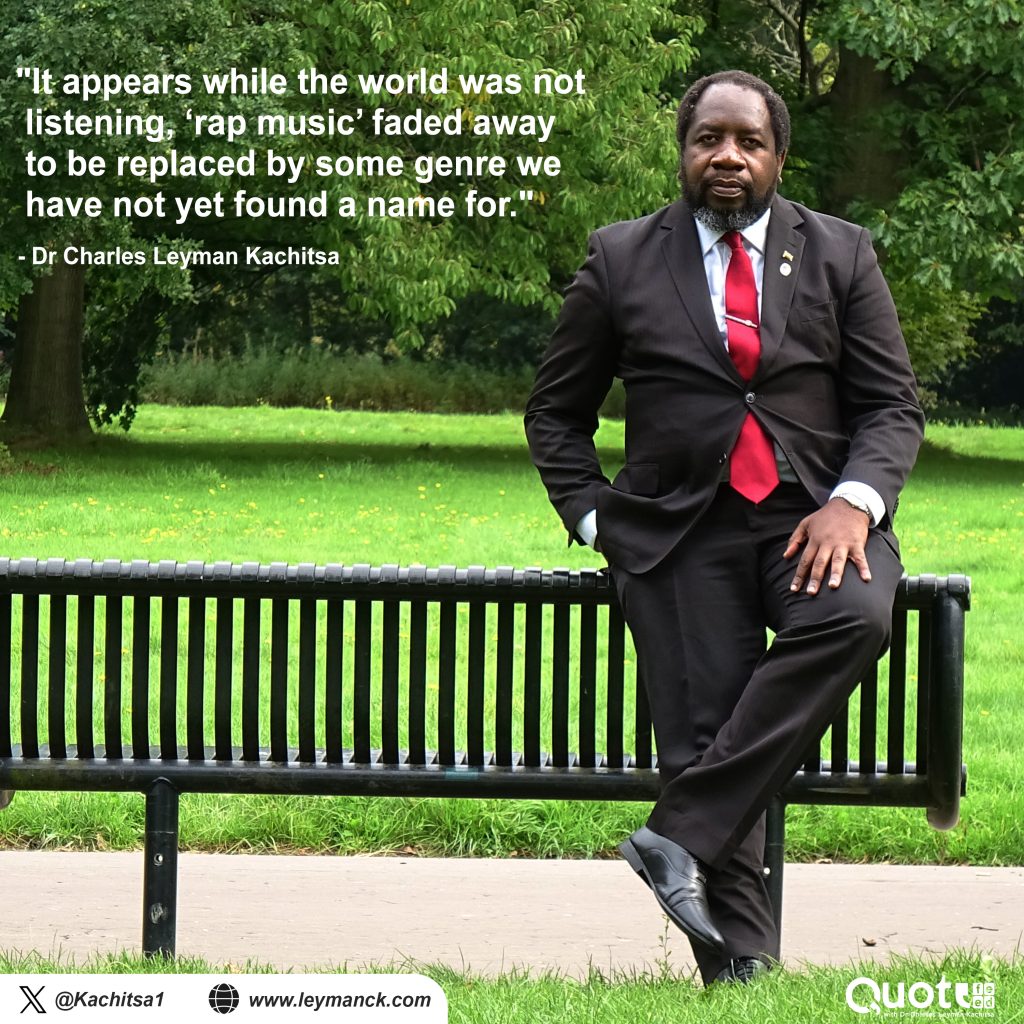
The quotes this week are an extraction from a book that revisits the dynamics that looking back has always shaped changes in the world no matter in which direction the movement is. I am sure that the few selected quotations from this book will enlighten you to one or two life lessons, read and enjoy:
MISSION AND MOVEMENT by Hirpo Kumbi
” One of the consequences of the use of modern methods of technology is that the concept of cultural preservation whether real and effective or imagined and ineffectual, is that a church engaged in mission sees the whole world as a mission field. A television programme may be designed for a greater and broader audience beyond the immediate sphere of the minister. Once on air, a television, radio or internet programme is not shackled by culture. Hence a small house church may have a global outreach because of its online activity.”
“Cross-cultural engagement is also about the worship style, the manner of praise, attitudes to time, food, drink and of course language and thought. Consequently, ‘the’ book recommends that churches actively seek to establish cultural relationships and links with established mainstream British churches in order to achieve deeper and genuine cross-cultural engagements.”
“The root of social action should be based on love, the proclamation of the Good News to places far and wide should be driven by a passion. The legacy of Ethiopian Christianity is a sense of history alive in today’s missionary endeavours. It is about returning to a fearlessness, as experienced by Jesus’ disciples after Pentecost. Ethiopian and Eritrean evangelical Christianity does not advocate a return to the simple things in life, neither does it promote a simple mind. Ethiopian and Eritrean churches seek to point to a deeper responsibility where selfishness, material gain and falsehoods have no place; it is about a return to mission.
…… Ward says that: ‘language, too, must experience its Passion – that is, the central intuition of the economy of representation, the movement towards naming ,,,, Language ‘expresses the gratuity of sacrifice.'”
” “
