
By Dr Charles Leyman Kachitsa
We live in our pockets of the world, with our own understanding and using the resources that make sense to us. The world may be truly the same in all its facets and human needs have always been the same, the reality is that our worldviews are different. Every human being on earth needs air to breath, need food to nourish the body for energy and growth, it does not matter which part of the world they are in yet there are differences in understanding how this all makes sense.
Despite the creator being generous to provide all the basics in all surfaces of the earth for human habitation, the use of the resources are according to how the people in a particular geographical area understand them. This is why education is important as it brings deeper understanding of the world around us, and educated nations advance in the best utilisation of resources which make them great, rich countries. It all is achieved in being able to see and understand what others cannot.
Some nations lose out in that they have resources that they do not understand which get taken out by other foreign countries for their own benefit. In that regard in some cases people have been subjugated through wars that blind them on seeing that which is the treasure in their possession. This is why knowledge is power, knowing that which you have. Man has to learn to value their currency, it is only those who value that which they have in their possession that fulfil successfully their God given purpose. Otherwise, most cry foul after losing that which they did not value but now has been taken off by those with knowledge and the art of acknowledging value.
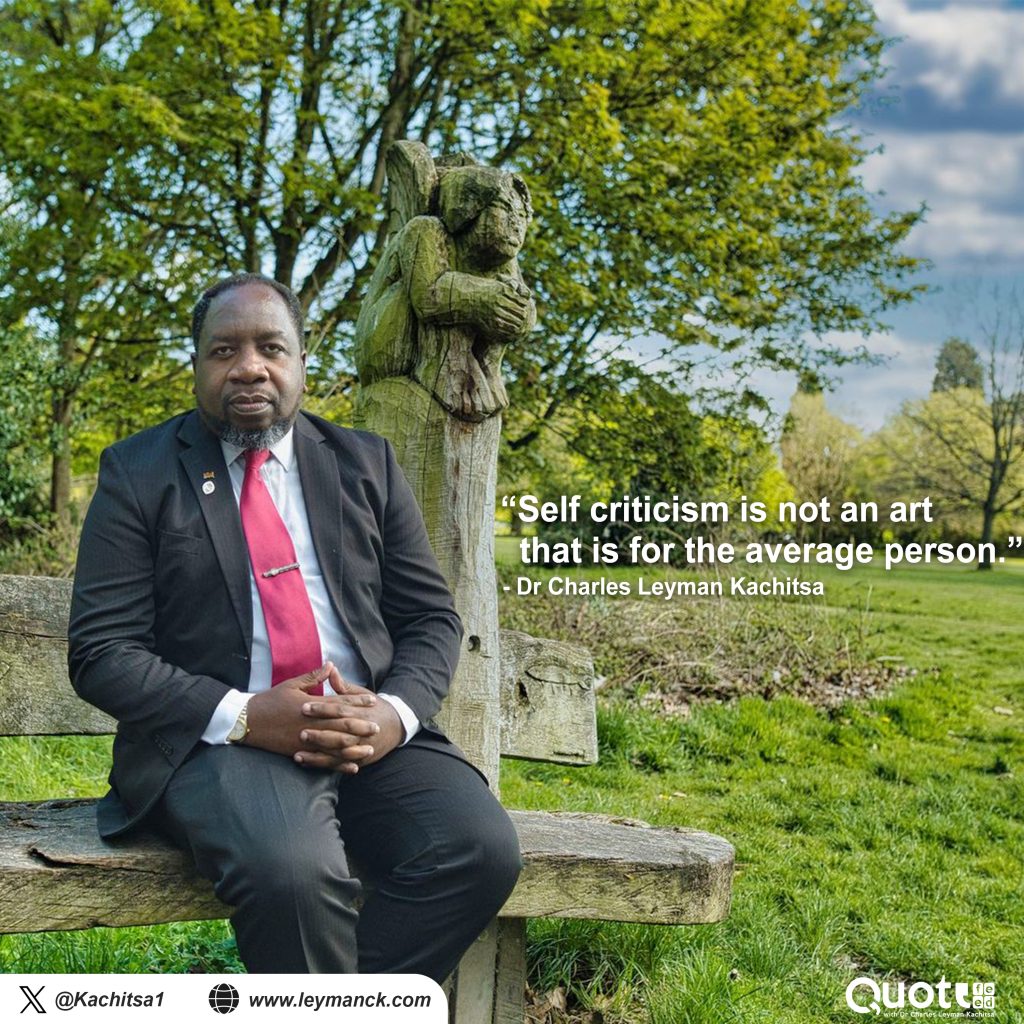
The quotes this week are a continuation of wise statements from a book that advises leaders on the basis of successful leadership. I am sure that the selected few quotations listed below will enlighten you to one or two life lessons, read and enjoy:
NEUROSCIENCE FOR LEADERSHIP by Tara Swart, Kitty Chisholm and Paul Brown
“As adults, most of what we do on a daily basis, how we react to familiar stimuli and effect regular goals, is habitual and automatic. Experience shapes patterns of behaviour through which we normally achieve our daily goals, walking downstairs, eating breakfast, walking to the bus stop, answering the phone, typing on our computer: if it works reasonably efficiently, we will use it. We do not need to consciously plan how to walk. Unlike a toddler who has to work out how to get from the chair to their father’s knee, walking is so automatic it just seems to happen when we need it to. —– Such habitual behaviour is the result of many years of learning and practice. It is the result of neural networks being reinforced through repeated use to the point where their activation is the easiest option for achieving certain goals in certain contexts……..”
“We are currently in an era where the pace of change and financial uncertainty has created an unprecedented rise in stress. We are beginning to understand the breadth and depth of its consequences and crucially, its impact on productivity. Stress can affect your: —Thoughts …….., –Emotions …… —Behaviour ………, —Physical symptoms …….”
“There is a body of evidence from educationalists that people learn different things in very different ways; some more easily through the written word, others through listening, still others through numbers or images and others again through doing, whether by imitation or not. It is likely that an inspirational leader needs to find many ways of conveying a vision for the future that has meaning and importance for very different people. Clarity, transparency and integrity, as we mentioned before, are also important components of communication, in order to elicit belief and avoid being second-guessed.”
“In order to generate new ideas that have a good chance of delivering value to society the people involved need to have expertise in the relevant domain, an openness to new experience, flexibility of thinking, have appropriate goals and encounter challenges which are stretching.”
