
By Dr Charles Leyman Kachitsa
Human relations have always included some intricate understanding and maneuvering of social fabric etiquettes. As far back as man has ever lived after falling from the original favour, he has always has had to deal with weaving his way using social skills that develop from birth. Survival in the world with other social beings means mastering these skills.
It is thus that when the trumpet blows announcing the birth of a child, people come to visit. Part of their reason for the visit is to come to acknowledge that another social relation has started and also to appreciate the wonders of nature from a creator who crafts similar beings from thin air into reality that now is bare for all to see. The story of creation is amazing and one can only re-affirm that there must be a force, the unseen, the one creator, God behind it all.
The wonders that is nature is there for all to see. Most mesmerizing is how despite cosmetic physical differences, human beings are all the same, breathing the same air available in abundance throughout earth’s surface. How all have the same fears, that’s if they are faithless otherwise brevity and how all end up in the same way which amazes people more and more yet it’s all unavoidable.
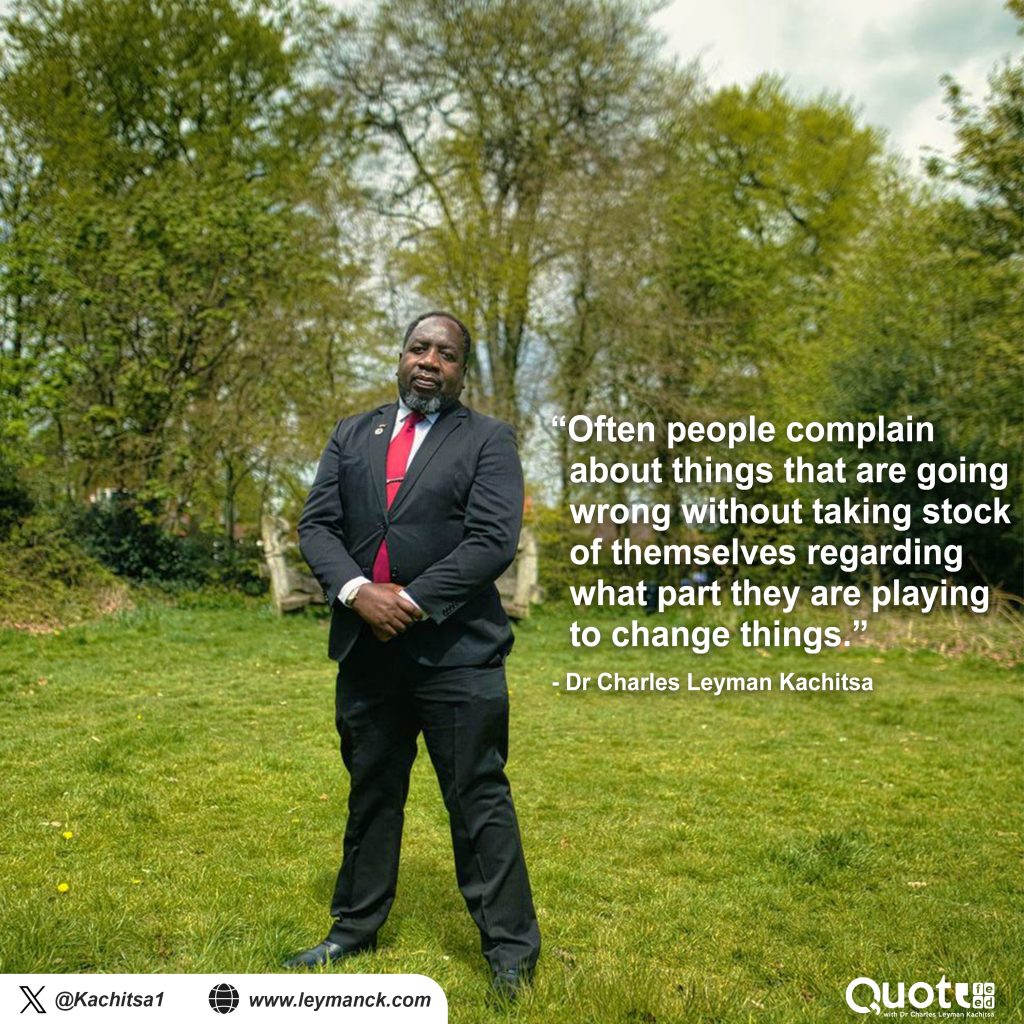
The quotes this week are a final extraction from a book which in teaching life skills advocates techniques that make it smooth in acquiring learning for survival in a world that in the eyes of many looks uncertain, yet it has always been certain. I am sure the few selected quotations below from this book will enlighten you to one or two life lessons, read and enjoy:
A MIND FOR NUMBERS by Barbara Oakley, Ph.D.
“Taking responsibility for your own learning is one of the most important things you can do. Teacher-centered approaches, where the teacher is considered to be the one with the answers, may sometimes inadvertently foster a sense of helplessness about learning among students. Surprisingly, teacher evaluation systems may foster the same helplessness – these systems allow you to place the blame for failure on your teacher’s inability to motivate or instruct? Student-centered learning, where students are challenged to learn from one another and are expected to be their own drivers toward mastery of the material, is extraordinarily powerful.”
“You can improve your focusing ability by gently redirecting your responses to interrupting cues like your phone’s ring or the beep of a text message. The Pomodoro-a brief, timed period of focused attention-is a powerful tool in diverting the well-meaning zombies of your habitual responses. Once you’ve done a bout of hard, focused work, you can then really savor the mental relaxation that follows.”
“It’s also true that negative self-talk – that is, negative thoughts arising from your own mind – can really hurt your performance, so make sure that what you say and think about yourself as you are preparing for tests is always upbeat. Cut yourself off in midthought if need be to prevent negativity, even if you feel the dragons of doom await you. If you flub a problem, or even many problems, keep your spirits up and turn your focus to the next problem.”
“The body puts out chemicals when it is under stress. How you interpret your body’s reaction to these chemicals makes all the difference. If you shift your thinking from ‘This …… has made me afraid’ to ‘This ….. has got me excited to do my best!’ it helps improve your performance.”
