
By Dr Charles Leyman Kachitsa
What shall we say in trepidation of what is life? A meaning of life forced when things are looking blink is different from that extracted at the spar of the moment of great joy and happiness. Both situations bring answers that are most often away from the truth, for what is life if there is no meaning. The key to life is in defining what we mean by life, a well lived life.
In some parts of the world people live obliviously without seeking any meaning of items or words that come to them. Yet the modern world demands that every minute man or woman has to have meaning of things surrounding them including the words that they are uttering and hearing spoken by others. One has to walk conscious of their surroundings and as they go attaching meanings to the things they encounter. Even on meeting other people, you need to attach a meaning of what that means.
The meanings we seek have answers that are simple in nature if sought in an enlightened condition. You need to be aware first of what you seek and what the end result is of the things you are pursuing. Otherwise there is no point in labouring starting a journey going to no destination, not knowing where one is going and where you will end up. The truth of the matter is, the truth is always near by if you seek it righteously.
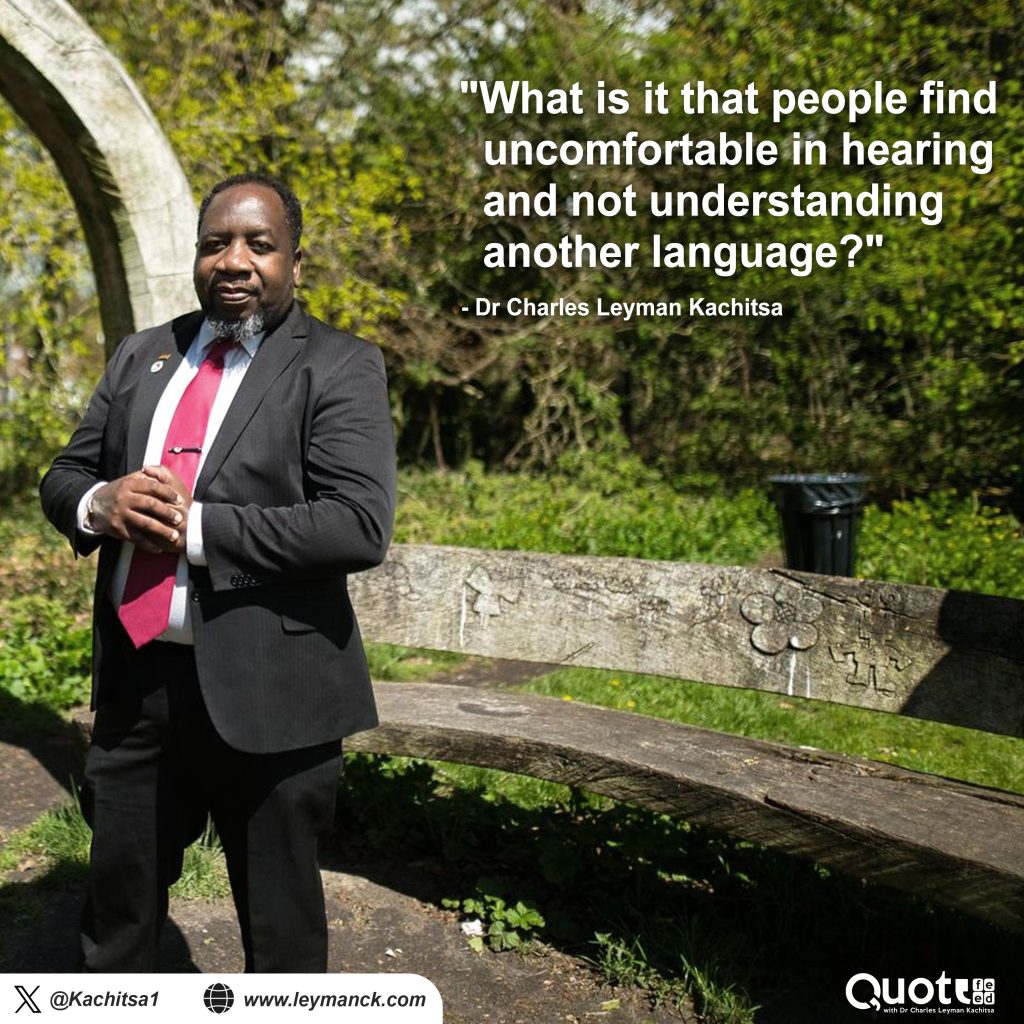 The quotes this week are a continuation extraction of pieces of writing that are from a book that if fully read makes you aware of the mind path to clear thinking. I am sure the selected quotations below from this book will enlighten you to one or two life lessons, read and enjoy:
LETTING GO – THE PATHWAY OF SURRENDER by David R. Hawkins. M.D., Ph.D.
“There is much attention and publicity given to the subject of stress without a real understanding of its essential nature. It is said that we are more stress-prone than ever. What is the essential cause of stress? Certainly it is not the external precipitating factors. They are merely examples of the mechanism we described as projection. It is ‘they’ or ‘it’ that is thought to be the culprit when, in fact, what we are feeling is merely the letting out of the inner pressure of repressed emotions. It is these repressed feelings that make us vulnerable to external stress.”
“Passing through a life crisis, then, makes us more human, more compassionate, more accepting and understanding of ourselves and others. We no longer have to indulge in making others wrong or making ourselves wrong. Handling an emotional crisis leads to greater wisdom and results in lifetime benefits. Fear of life is really the fear of emotions. It is not the facts that we fear but our feelings about them. Once we have mastery over our feelings, our fear of life diminishes. We feel a greater self-confidence, and we are willing to take greater chances because we now feel that we can handle the emotional consequences, whatever they might be. Because fear is the basis of all inhibitions, mastery over fear means the unblocking of whole avenues of life experience that previously had been avoided.”
“Because all living things are connected on vibrational energy levels, our basic emotional state is picked up and reacted to by all life forms around us. It is well known that animals can instantly read a person’s basic emotional state. There are experiments demonstrating that even the growth of bacteria is affected by human emotions, and that plants register measurable reactions to our emotional state (Backster, 2003).”
“The average person is often apathetic in a number of areas in life, but only periodically faces overwhelming apathy about their whole life situation. Apathy indicates a lack of life energy and is close to death. This was observed during the World War II blitz of London. Infants were removed to nurseries and remote safe sections of England where their physical nutritional, and medical needs were well attended. However, the infants developed apathy and began to fail; they lost their appetites and the death rate was high. It was discovered that apathy resulted from a lack of nurturing and emotional closeness to a mothering figure. It was an emotional state and not a physical one. Without love and affection, they lost the will to live.”
