
By Kondwani Magombo and Sarah Munthali
The legacy of Dedza Senior Chief, Late Theresa Kachindamoto, in the fight against early marriage reigned supreme at UN Women’s Regional Dialogue of Traditional and Religious Leaders on Ending Child Marriage and other Forms of Violence Against Women and Girls (VAWG). held in Lilongwe on Thursday.
The Dialogue drew religious and traditional leaders from across the continent and it was held as a prelude to the Commemoration of the First International Day for the Elimination of Child, Early and Forced Marriage (27 November), as part of 16 Days of Activism; and the launch of the Guidelines for Engaging Religious and Traditional Leaders on EVAWG.
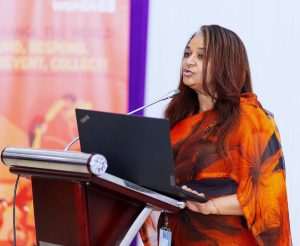
At the opening of the Dialogue, UN Women Malawi Country Representative, Fatma Mohamed, acknowledged Senior Chief Kachindamoto’s “enormous” contribution towards ending child marriages and promoting child justice, saying the Senior Chief’s legacy shall live forever, and inspire the ongoing fight against early marriages.
“We stand in the shadow of a great tree: The late Senior Chief Theresa Kachindamoto of Dedza who annulled more than 3,500 child marriages and helped at least 2,700 girls return to school. She did not do this against her culture. She did it as its custodian,” said Mohamed.
“Her legacy lives on in the Chief Kachindamoto Fund, launched in November 2025 by UN Women with Norway, Iceland, UNFPA, UNICEF, Plan International and the Fumukazi Foundation; and in the new generation of leaders in this room, such as Fumukazi Zilanie Kamgundanga Gondwe of the Phoka people in Rumphi,” Mohamed added.
She noted that in Malawi, through the Spotlight Initiative, up to 200 chiefs became champions for ending violence against women and girls, and that today, the Chief Kachindamoto Fund works with 28 traditional leaders towards zero child marriage, with the aim of keeping 5,000 girls in school by 2028.
According to the UN Women Country Representative the Chief Kachindamoto Fund is working through the district councils in Dedza and Mulanje, where Mtetezi Framework, a performance-based accountability model that recognises and rewards chiefs for independently verified results.
 In her remarks, Minister of Gender, Children, Disability and Social Welfare, Mary Navicha, echoed Mohamed, describing religious and traditional leaders as “trusted voices” in communities, and she challenged them to stand against early marriage and any forms of VAWG.
She acknowledged Senior Chief Kachindamoto’s relentless fight against early marriages, saying it demonstrated that culture is not static and that traditional authority can be used to protect girls, uphold their dignity and expand their opportunities.
“Chief Kachindamoto’s legacy challenges all of us to move beyond statements of commitment and deliver measurable results in our communities by outlining the strides that Malawi had taken in the fight against early marriages,” Navicha said.
The minister said the Malawi government remained committed to fighting early marriage, citing, as an example, the amendment of the Constitution in 2017 to set 18 as the minimum age of marriage, building on the Marriage, Divorce and Family Relations Act of 2015.
She added that the Government would remain committed to working with traditional and religious leaders, women’s rights organisations, girls and young women, development partners and United Nations agencies to prevent child marriage, improve survivors’ access to justice and ensure that girls remain in school.
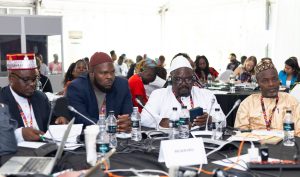
The Regional Dialogue drew religious and traditional leaders from across the continent and, among other activities, they shared individual achievements they have registered in their respective countries and areas of jurisdiction.
